






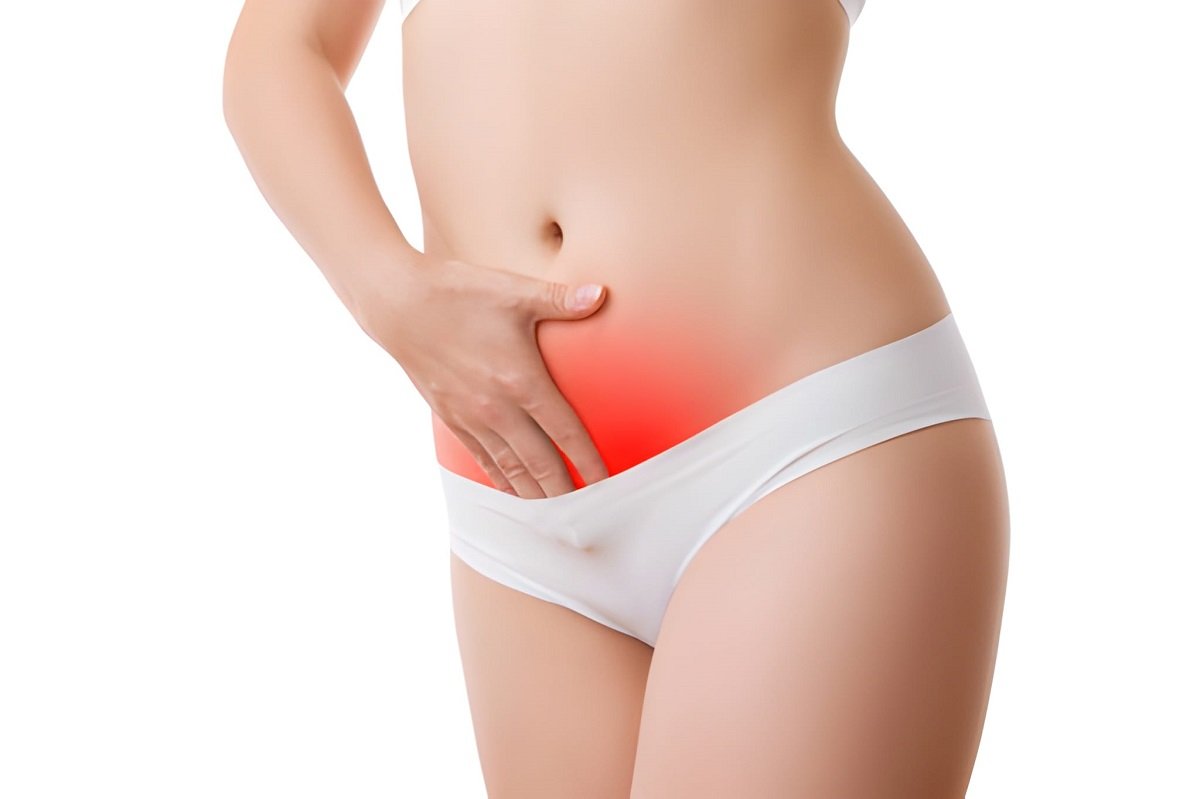
Uterine fibroids are benign tumors that arise in the muscle layer of the uterus usually in female patients of reproductive age. Although these growths are generally silent, they can become symptomatic with a heaviness of bleeding, pain in the pelvic region, and difficulty in conceiving. In extreme situations it has been customary to resort to hysterectomy which is nowadays being replaced with minimally invasive operations due to recent developments. These therapies aim to shorten the recovery time, limit the scarring and maintain fertility, thus giving patients more choices of treatments. The article presents the less invasive surgical techniques for uterine fibroids and provides an overview of important questions that patients should think of before discussing the treatment with their doctors.
Understanding Uterine Fibroids
Fibroids or uterine fibroids are non-cancerous tumors that develop in the muscle layer of the uterus. Their sizes may vary so much that one fibroid can be as small as a pea and as large as a melon. Also, one may have a single fibroid or multiple fibroids growths. Typically, fibroids are silent in nature, and thus, they can only be detected as a result of routine medical investigations. Nevertheless, fibroids could lead to such symptoms as in the case of excessive menstrual bleeding, menstrual periods lasting for an extended time, painful or heavy menstruation and some others. These symptoms thus cause a reduction in a woman’s standard of living making it imperative that such women be given proper care and treatment.
Intramural fibroids are those that form in the uterine muscle and, as a result, may cause heavy bleeding or pelvic pain. Submucosal fibroids are located under the lining of the uterus and are most commonly associated with heavy bleeding and difficulties fertilizing. Subserosal fibroids develop on the external surface of the uterus and, thus, can cause a feeling of pressure in the pelvic area and occurrences of the nearby organs like the bladder or rectum may be affected without the patient’s knowledge. Generally, fibroids may become so painful or cause such problems that you have no choice but to seek treatment.
Traditional Treatments vs. Minimally Invasive Options
Usually, uterine fibroids were eliminated through a hysterectomy which is a surgical procedure to take out the uterus. This way is effective but it also carries the risks that normally go with a big operation such as a long recovery time and the loss of the ability to make children. In contrast, minimally invasive treatments fibro aims to cure the disease without removing the uterus and causing less damage to the surrounding tissues. Generally these treatments need only a few incisions or are done without incisions, hence the recovery periods are short and the chances of complications are low which is the reason why they are being chosen as replacements for conventional surgeries gradually.
Minimally Invasive Approaches to Treat Uterine Fibroids
-
Uterine Artery Embolization (UAE)
Uterine artery embolization (UAE) is basically the one-of-a-kind method to treat fibroids. It essentially starves the masses of the uterine arteries. After the fibroids get no more ‘blood supply,’ they continue to shrink and later they go through necrosis, which means tissue death. Inserting a catheter into the artery in the leg, the doctor navigates the catheter to the blood vessels of the uterine arteries. Then particles are sent off to the area to stop the blood flow. The whole thing is done in a small and neat fashion which is why it’s called a minimally invasive procedure and the general could be back to normal in a couple of weeks, after which these nasty symptoms may be gone or at least reduced, like heavy bleeding and pelvic pain.
Key Benefits:
- A non-invasive treatment, which does not require any cuts
- Has a recovery time that is usually short and lasts a few days
- In a limited number of cases, the uterus is kept and fertility is maintained
- Also, the procedure may be done with local anesthesia
-
Laparoscopic Myomectomy
Laparoscopic myomectomy is a less invasive method of surgery in which uterine fibroids are removed via small incisions with the help of a laparoscope. The method is compatible with the continuation of a woman’s fertility, so it is the most suitable way for patients desiring to have children still. Among the positive aspects of the operation are less scarring, the recovery period is shorter and the possibility of complications is very low in comparison with the open surgery.
Key Benefits:
- Fibroids removal without major incisions
- Recovery time is considerably shorter as compared to that of a conventional surgery
- Keeps the uterus intact thus allowing pregnancy later on
-
Magnetic Resonance-Guided Focused Ultrasound (MRgFUS)
The method is a minimally invasive one, where the fibroid tissue in the uterus is heated and eventually destroyed by only a small area of the high-intensity focused ultrasound beam. The whole operation is under the control of an MRI which is used to confirm the exact location of the fibroid to which the ultrasound energy is being delivered. MRgFUS is a source of treatment that suits best the patients who intend to keep their reproductive capability and refrain from any kind of surgery.
Key Benefits:
- A completely non-invasive procedure, no cuts are needed
- No hospital stay is necessary
- Can be used as a first-line treatment for small fibroids
- Maintains the function of the female reproductive system and fertility
-
Hysteroscopic Myomectomy
Hysteroscopic myomectomy is the operation which takes out fibroids after passing through the cervix with a hysteroscope. This least invasive technique is usually a treatment for submucosal fibroids and provides a good and safe solution to the old method of surgery.
Key Benefits:
- Avoids the need for cutting open the body
- Recovery time is short
- Maintains the uterus and fertility
-
Endometrial Ablation
One of the ways to stop excessive bleeding due to uterine fibroids is the last measure called endometrial ablation whereby the doctor destroys the thin layer which is the inner lining of the uterus. However, this method simply offers temporary relief by symptoms and is generally advised for women who intend to stay childless.
Key Benefits:
- Less invasive
- Helps to alleviate symptoms of heavy menstrual bleeding
- Brief recovery period
Key Questions to Ask Your Healthcare Provider
Here are the most important questions you should inquire about:
- What are the size, kind, and place of the fibroids?
- Different locations and types of fibroids will have different treatment options.
- What are the risks and side effects that may happen for each treatment option?
- Knowing the risks for each treatment is a very important step for making the right decision.
- Will the treatment affect fertility or the ability to have children in the future?
- In case of fertility being a priority, then it is a must to look into treatments that do not harm and even support later reproductive health.
- What is the expected recovery time?
- Recovery times are different for each procedure so it is very helpful to know in advance what to expect.
- What are the chances of fibroid recurrence after treatment?
- In a few instances, therapies provide a lasting alleviation, but in most cases, there is a possibility of relapse.
- Are there any instructions to be followed after the procedure or is there a need for a follow-up?
- Some treatments may need follow-up appointments to evaluate the treatment effect and manage the side effects.
The Uterine Fibroid Treatment Market
The main factor that changes the uterine fibroid market is the expansion of less invasive procedures for uterine fibroids. The market is expected to become very extensive due to the rising patient demand for less invasive and more efficient treatments. Innovations in medical imaging, surgical instruments, and drug delivery systems are the main drivers behind these changes, thus, the area becomes highly attractive to women who get better results and improved quality of life.
The change to minimally invasive methods has changed the treatment of uterine fibroids radically. A patient may now select one of the several less invasive techniques like uterine artery embolization, laparoscopic myomectomy, MRgFUS, hysteroscopic myomectomy, and endometrial ablation that is just as effective but does not require the cutting open of the body. As per Pristine Market Insights, in most cases, these procedures bring about the healing process in a considerably shorter time, less scar is left and even fertility is preserved. In the uterine fibroid treatment market treatment, it is getting bigger and newer procedures and devices will be there for the support of the women who are suffering from the symptoms of fibroids.
Author Bio:
Teja Kurane, a research analyst specializing in the healthcare sector, focuses on emerging treatment technologies and patient-centric medical innovations. With a keen interest in women’s health advancements, Teja provides clear, research-backed insights to help readers understand the latest minimally invasive approaches and make informed healthcare decisions.